
Neurodivergent Voices
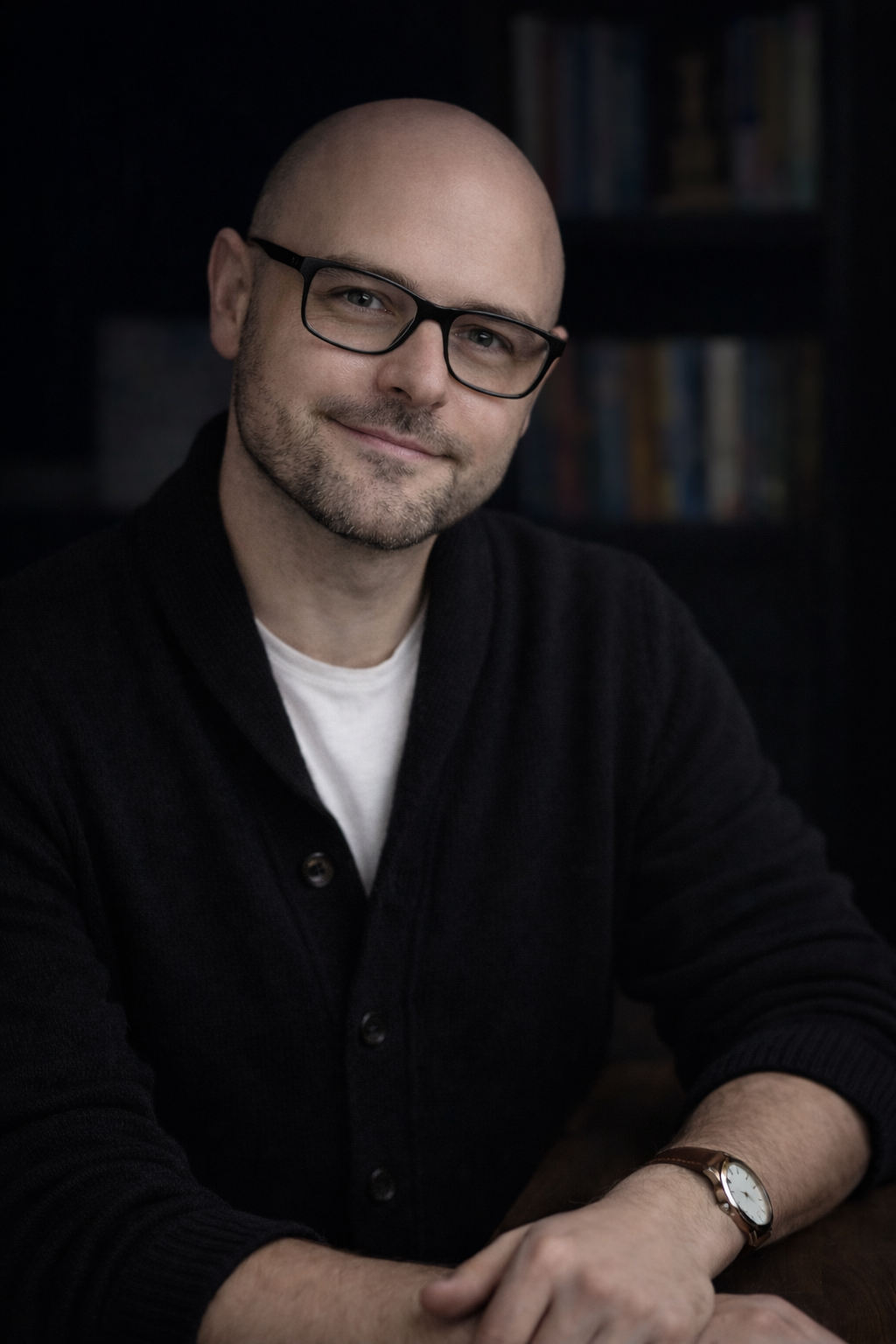
Q: Neil, why did you choose to write undiagnosed, unlabelled neurodivergent characters?
A: NEIL WOODLIFFE: Because that’s how most of us actually live.
For a long time, I didn’t have a label I just knew I struggled in ways other people didn’t seem to. I was exhausted by things others brushed off, working harder just to stay employed and to keep friendships going and to stay out of trouble. And still I was left feeling like I was failing. When there’s no diagnosis, there’s no language for what’s happening, just this growing sense that the problem must be you.
Most neurodivergent people grow up confused, and many of us learn to mask very young as a trauma response to being bullied for being different. It happens so early we don’t even remember doing it. For me, masking felt like building a second personality, a version of myself I thought would keep me safer. It wasn’t a choice. It was a response to being different and then punished and bullied for it.
The problem is, when you start that young, it becomes ingrained. That mask, the thing you built to survive and fit in, is often the very thing that later makes people doubt you need help at all.
When I write George and Adel without labels, I’m not avoiding neurodivergence, I’m reflecting the reality of living it, often without a name, without support, and without being believed.
Q: What do you say to people who claim neurodivergence is overdiagnosed, or just a trend?
A: NEIL WOODLIFFE: That idea doesn’t hold up. What we’re seeing isn’t overdiagnosis, it’s delayed recognition. For decades, huge numbers of neurodivergent people were never identified at all, and now we’re catching up.
The consequences of not recognising this are real. Autistic adults are estimated to be nine times more likely to die by suicide, and in the UK most autistic adults are unemployed or underemployed, not because they lack ability, but because workplaces aren’t built for how they function. Many are also over-represented in the prison system, often because communication differences and emotional dysregulation get misread as intent.
When people say, “You don’t look autistic,” or “Everyone’s a bit neurodivergent,” what they’re really doing is mislabelling real struggle because that feels more familiar. It’s easier to reach for labels like difficult, moody, lazy, hostile, weird, or intense, because those are words people already know. Burnout, overwhelm, emotional dysregulation, shutdown, those concepts are alien to many people, so what they’re seeing gets named incorrectly.
This isn’t about wanting a label. Some people don’t want one, and that’s fine. But not wanting a label doesn’t mean you don’t need support or consideration. Most neurodivergent people are perfectly capable, and the problem usually isn’t ability, it’s fit. Fit because the world was built for neurotypical people, and neurodivergent people are expected to adapt endlessly to systems that don’t adapt back. That mismatch, over time, is what breaks people.
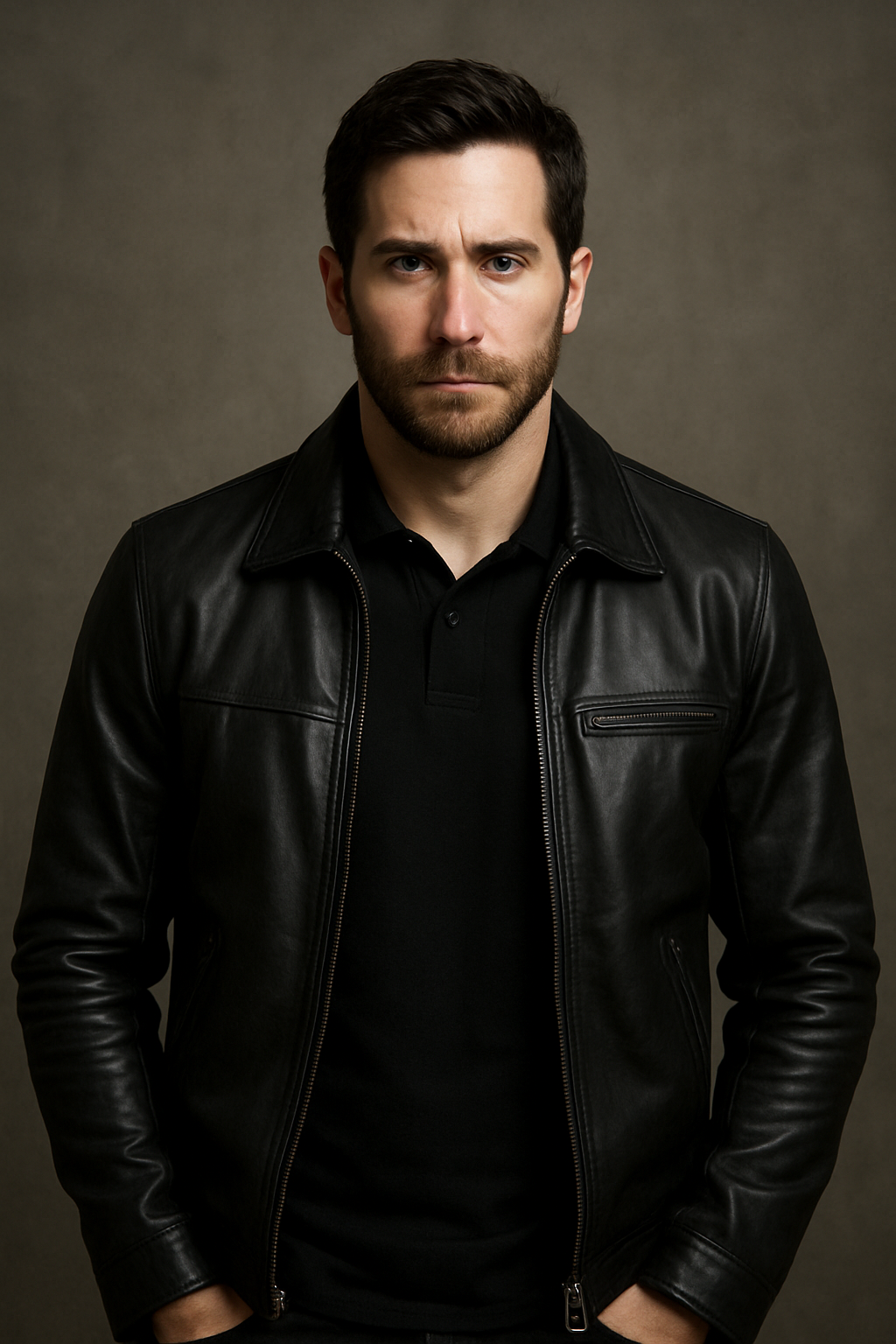
A: GEORGE: I didn’t have the answers.
I just knew I was out of step with the rest of the world. I can do some things very well, but I get into trouble for reasons I don’t fully understand.
People react to how I said something, not what I meant. From the outside it looks like I’m managing. Inside, everything takes more effort than it should, and my personal emotional fallout happens behind closed doors.
Q: Why does misunderstanding neurodivergence cause so much harm?
A: NEIL WOODLIFFE: Because when something is misunderstood, it gets mislabelled, and once it’s mislabelled, it gets punished instead of supported.
Overwhelm gets called attitude. Burnout gets called laziness. Emotional dysregulation gets called hostility. Those labels stack, and over time people internalise them.
They start to believe they are difficult or broken, and that’s where shame takes hold and people stop asking for help.
Q: George, what does that look like from the inside?
A: GEORGE: It usually starts small, a misunderstanding in a meeting, a reaction to a tone I didn’t realise I had. I might not notice it in the moment, but I feel the shift afterwards.
When pressure builds, I get more rigid, not because I want control, but because structure is the only thing holding everything together. That’s when it gets misread. I’m seen as difficult, when actually, I’m trying harder than ever.
Is it the same for you, Adel?

A: ADEL: Sort of. But it’s messier. For me, it’s like everything speeds up at once, my thoughts, my emotions, my body.
I can be absolutely fine and then suddenly everything is too much, even things I actually like. Noise feels louder, people talking feels overwhelming, and I’m restless and exhausted at the same time. I don’t always notice it building the way you do. Sometimes it just hits. I’ll be completely focused and then I crash, and when I crash it’s hard to explain because it doesn’t feel logical. It just feels like my brain’s run out of charge.
Q: Adel, what helps you cope when things get overwhelming?
A: ADEL: Space, first of all.
And having something I can disappear into on my own terms, my hobbies, training, learning something new. When I’m focused like that, everything quietens down. People sometimes think I’m obsessive, but it’s not about control. It’s how I reset and feel like myself again.
And honestly, if you don’t have many people, that doesn’t mean you’ve failed. I’m bad at keeping friends too. I’ve got one I really trust and I always worry that someday she will leave like the others.
What truly helped was finding people who already speak my language, online groups, forums, communities where being autistic or ADHD isn’t something you have to explain. When things get bad, you need somewhere you can go without performing.
Find your pack. Those who understand and speak your language. It helps.
GEORGE: I don’t have many friends either. The relief of being around people who don’t need the full performance, who understand and don’t judge, is rare, and it matters.

Q: Natalia, for parents or partners who want to support better, where should they start?
A: NATALIA: Learn in private first. Don’t ask them to teach you while they’re already exhausted and emotional. I’m her parent. I should do the research to be the mum she deserves.
When I started reading about ADHD properly and listening to people with lived experience, things clicked. I stopped seeing stubbornness or drama and started seeing overload and I noticed the warning signs earlier.
You don’t have to be perfect. You just have to be willing to learn, and keep showing up.
Q: Neil, bringing this full circle, why was it so important to write these characters this way?
A: NEIL WOODLIFFE: Because most people have never been shown what high masking actually looks like. What they’ve seen instead are exaggerated portrayals designed for entertainment, and those portrayals cause harm. They train people to expect a visible stereotype, and when real people don’t match it, they aren’t believed.
High masking is often called “high functioning”, which sounds positive but is misleading. It usually means someone can meet expectations while paying for it privately with exhaustion, burnout, anxiety, and shame. The label focuses on what the world gets, not what it costs them to survive.
I write George and Adel without labels because that’s how most people live it. Undiagnosed. Misunderstood. Adapting constantly. I want readers to see what that actually feels like from the inside.
Don’t make your loved one fight for basic belief. If someone tells you they’re struggling, don’t argue with them. Don’t dismiss it as attention seeking or label grabbing. Do some research. Read. Learn. Listen to people who live it.
Because the stakes are real. When people are misread for long enough, they stop asking for help. And sometimes, they don’t make it. Belief, curiosity, and effort can change the entire direction of someone’s life.